smart Construction laboratory Ltd.

智能建造實驗室有限公司

Tower Crane Wire Rope Monitoring System

塔式起重机金属绳索监测系统

The Tower Crane Monitoring System is designed to enhance the safety and operational efficiency of tower cranes. By providing real-time data on wire ropes, structural components, and system performance, it ensures compliance with industry standards and minimizes downtime.
1. Principle of Electromagnetic Inspection
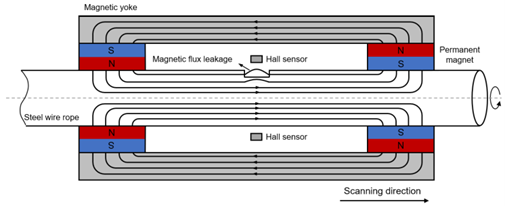
Electromagnetic inspection uses magnetic induction and the magnetic properties of wire rope to detect internal and external defects suchas broken wires, wear, and corrosion.

Key Concept: Defects in thesteel cable cause magnetic field irregularities, which can be detected bysensors.

Magneticfield irregularities caused by defects in wire rope:

2. Inspection Process
1. Magnetizing the Cable: A strong magnetic field isapplied to the steel cable using permanent magnets or electromagnetic coils.  

2. Detecting Magnetic Flux Leakage (MFL): Defects such as broken wires or corrosion disrupt the magnetic field, causing flux leakage that escapes the surface of the cable.

3. Sensor Detection: Sensors, such as induction coils orHall-effect sensors, detect these flux leakages and convert them into electrical signals for analysis.

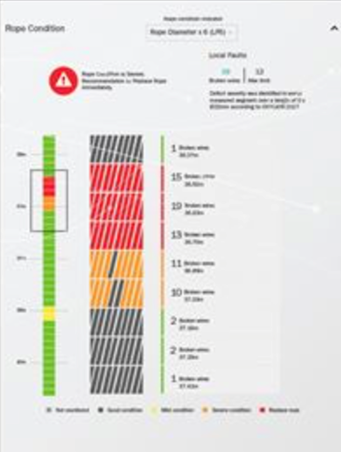
4. Signal Analysis: The electrical signals are processed toidentify the type, location, and severity of the defect.

Magnetic flux leakage caused by broken wires within the cable:

3. Applications
Mockup

Bridge suspension cables

Mockup

Elevator hoist cables

Mockup

Mining & construction equipment

Mockup

Ropeways and cable cars

4. Product Catalogue

Tower Crane Monitoring System
Version: 2024

The Tower Crane Monitoring System is designed to enhance the safety and operational efficiency of tower cranes. By providing real-time data on wire ropes, structural components, and system performance, it ensures compliance with industry standards and minimizes downtime.

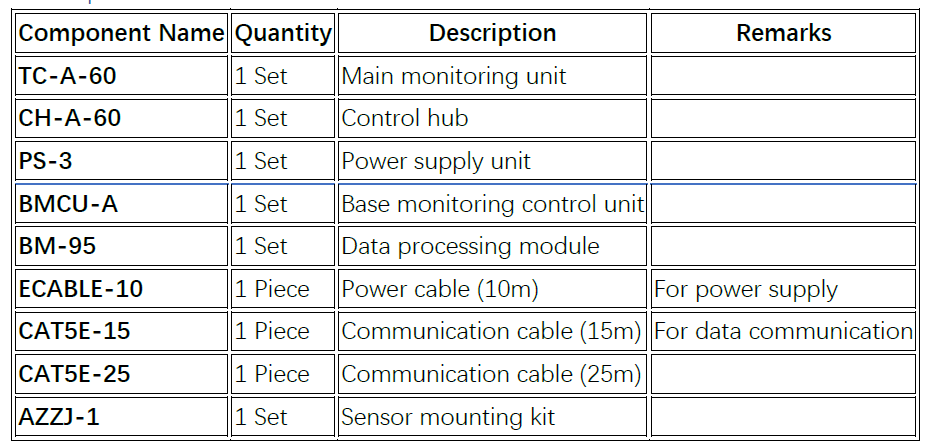
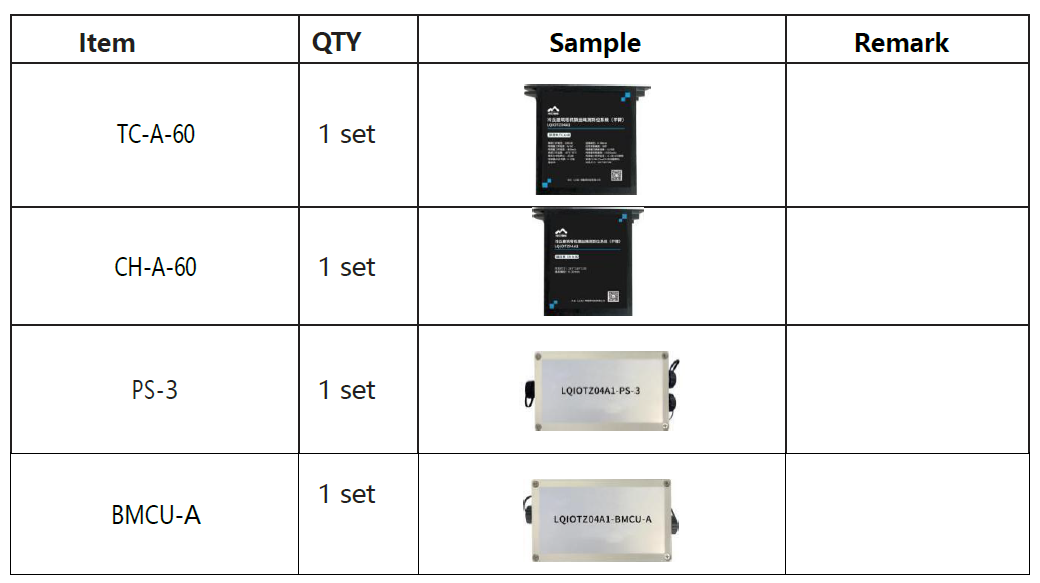
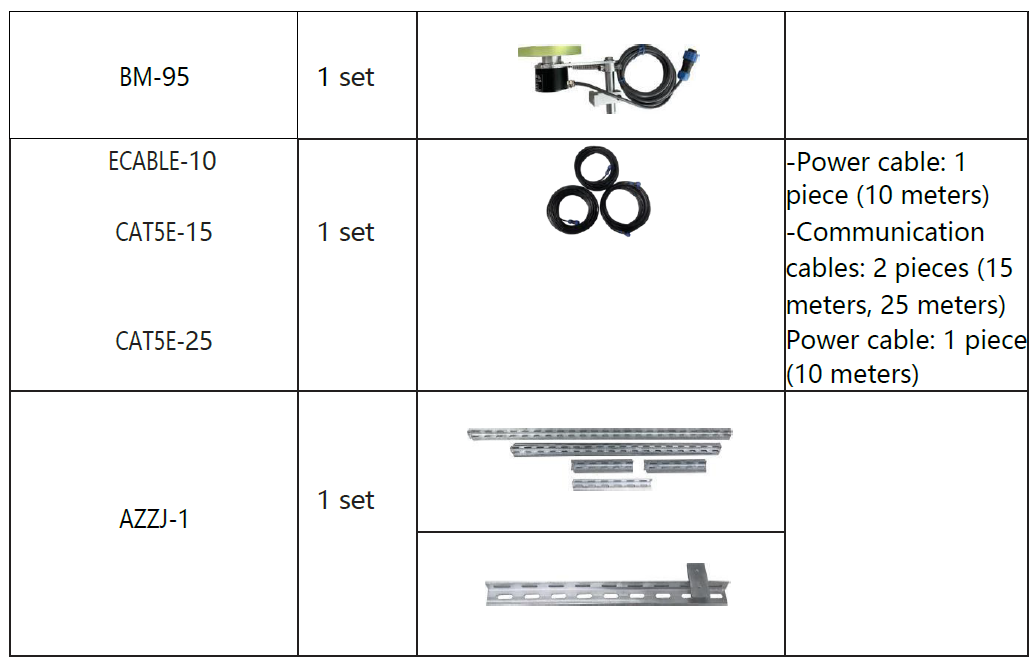
1. System Components

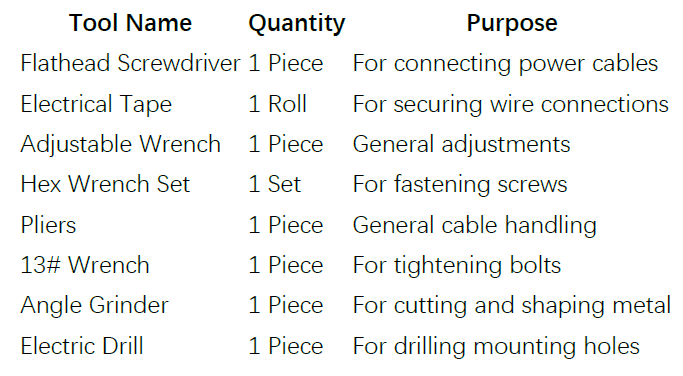
2. Required Installation Tools

3. Software Configuration

Default Settings: All sensors and encoders are pre-configured with factory settings.

IP Configuration: Ensure no IP conflicts at the installation site. In case of conflicts, modify the sensor’s IP address.

4. Installation Preparation

Personnel Coordination: Crane operators and electricians must assist during the installation process.
 
Safety Precautions: Wear protective clothing, safety harnesses, helmets, and work boots.

Sensor Installation:
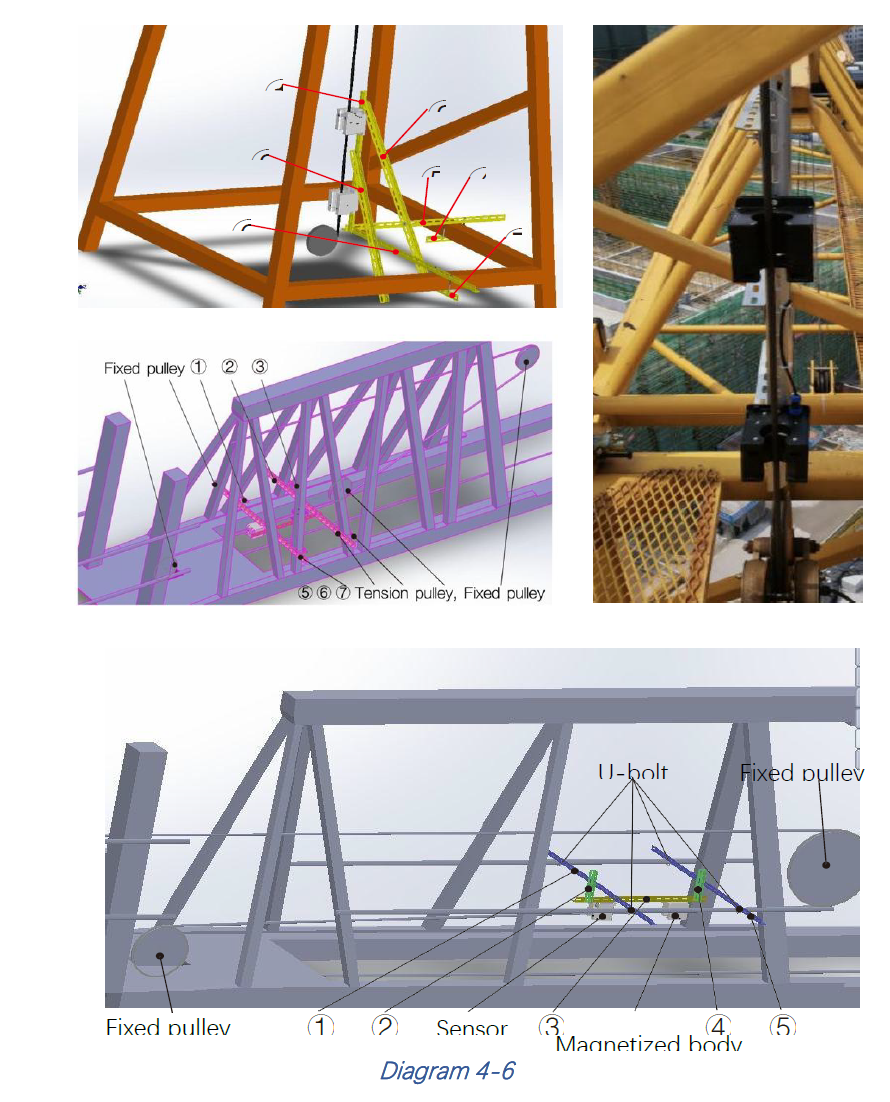
Sensors mounted on the rotation mechanism can be installed without halting operations.  
For sensors on the jib, crane operation must be paused for approximately 1.5-2.5 hours.  

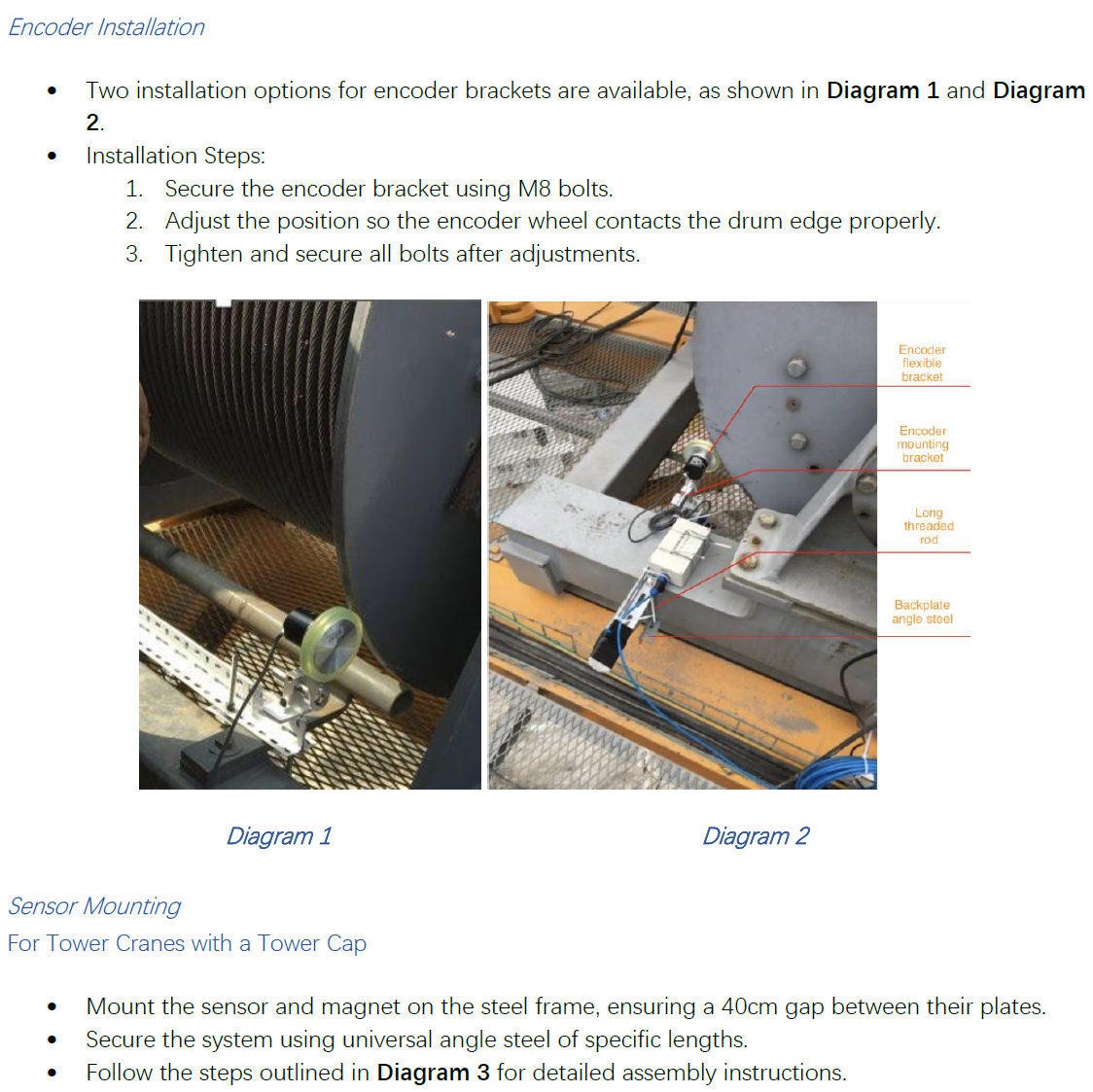
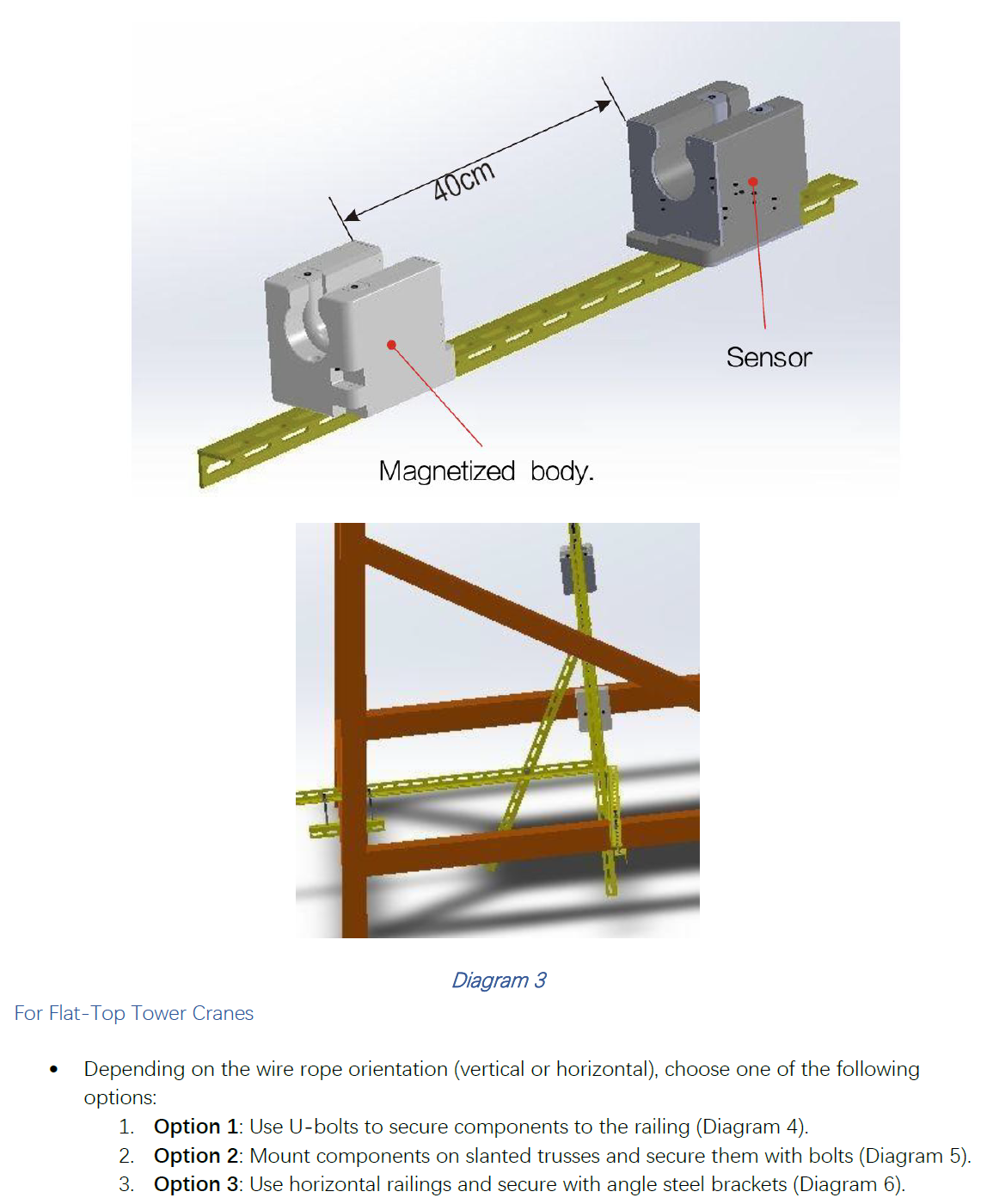
5. Mechanical Structure Installation

6. Electrical Wiring

1. Place the PS-3 Power Supply Unit near the crane’s control cabinet and secure it with stainless steel ties.
2. Run the power cable to the drum area and connect it to the encoder.
3. Lay communication cables neatly and secure them with ties.
4. Ensure proper grounding and avoid loose connections to prevent short circuits.

7. System Verification

7.1 Mechanical Verification
Move the crane’s hook up and down to ensure the wire rope passes smoothly through the sensor and magnet.
Confirm that the encoder wheel rotates correctly and in the proper direction (positive rotation when the wire rope descends).

7.2 Electrical Initialization
Power on the system and check the sensor and encoder status lights:
Red Light: System powered on.  
Orange Light: Network communication active.  
Green Light: System operational.

8. Product Features

Real-Time Monitoring: Tracks wire rope tension and wear.
Durable Design: All components are IP65-certified for waterproofing.
Easy Maintenance: Modular design simplifies repairs and replacements.
Customizable Configurations: Adaptable to various tower crane structures.
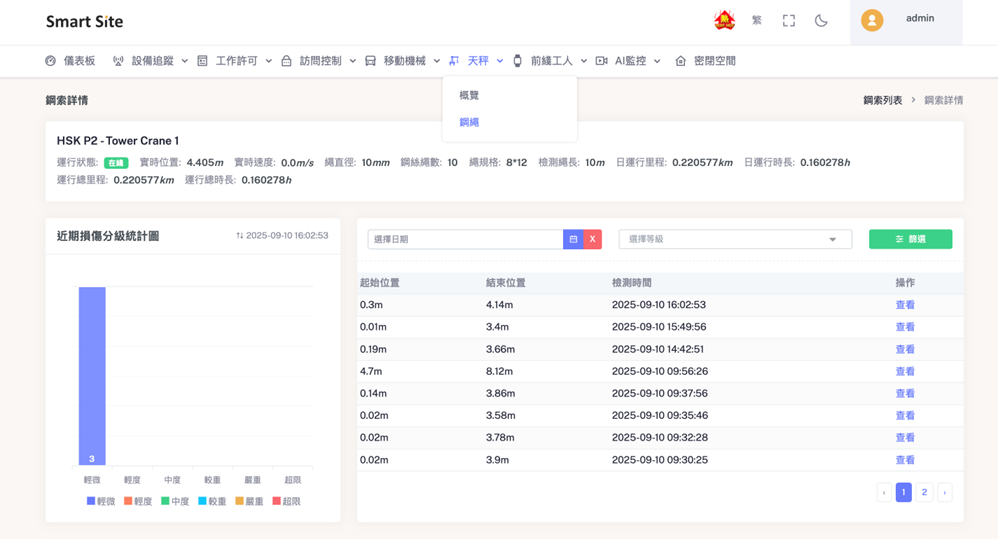
Daily report (sample)